
[Film Review] The Found Footage Phenomenon (2021)
Whether you’re a massive horror nerd, or looking to learn a little more about the genre, horror documentaries are a great way to explore specific elements of the movies we love so much. Recently, Shudder’s documentary output has been pretty steady, and their newest addition, The Found Footage Phenomenon (2021) is ideal for those who want to learn more about this often-misunderstood sub-genre.
While movies such as The Blair Witch Project (1999) often get more mainstream credit for propelling the found footage genre into the spotlight, The Found Footage Phenomenon starts much earlier in horror history, showing us that horror creators have utilised elements of found footage for much longer. Novels such as Bram Stoker’s Dracula (1897) chose to avoid traditional storytelling methods and instead use letters and diary entries to allow readers to experience the story in a manner that feels more personal and involved than a novel usually would.
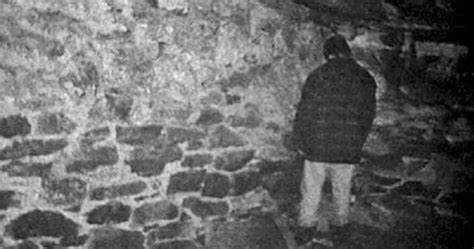
Even before those three interpret filmmakers headed into the woods of Burkittsville, Maryland, early slashers such as Peeping Tom (1960) and the controversial cannibal movie Cannibal Holocaust (1980) used found footage to put the audience right at the centre of the action, making the violence all the more real and terrifying.
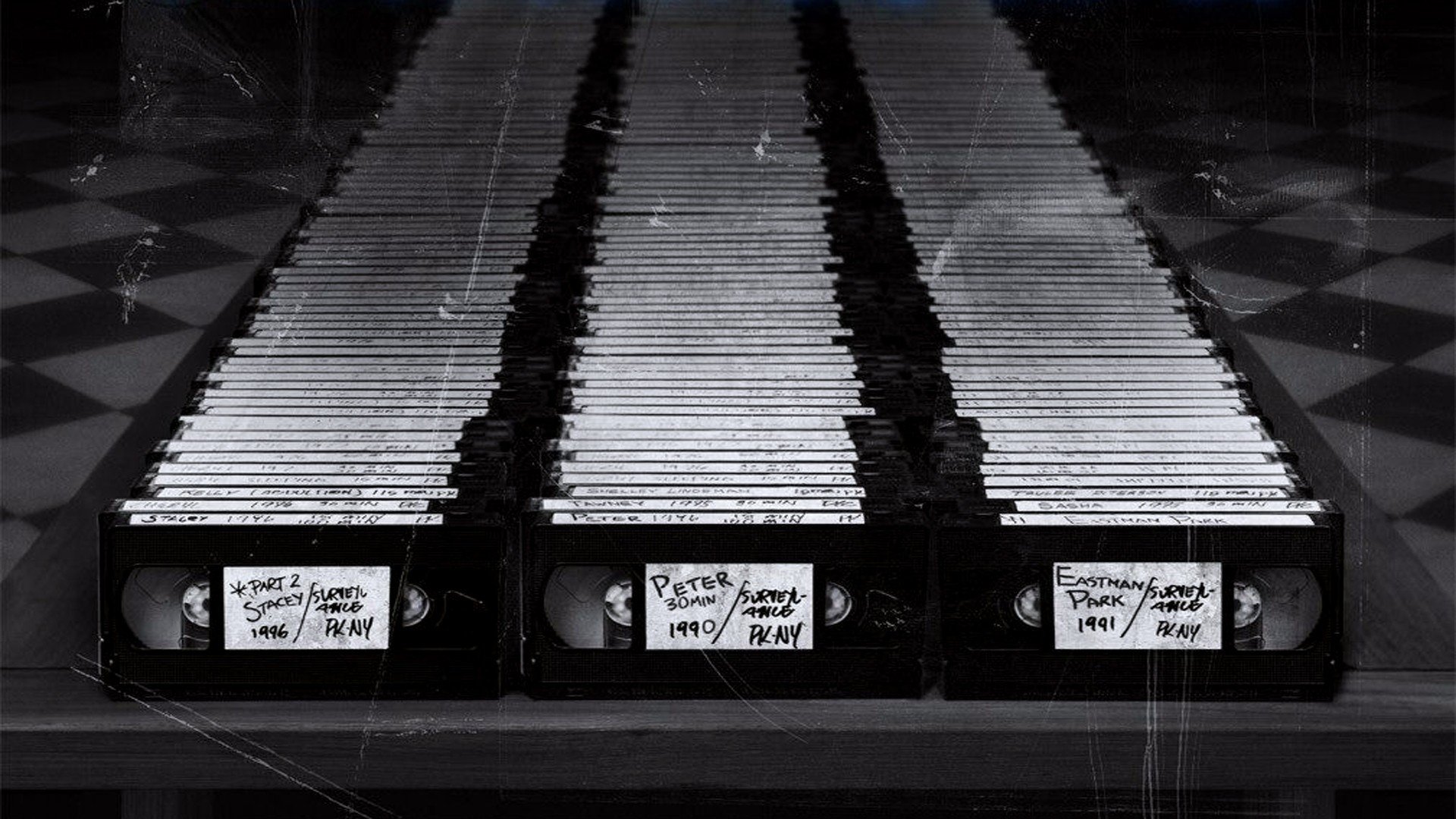
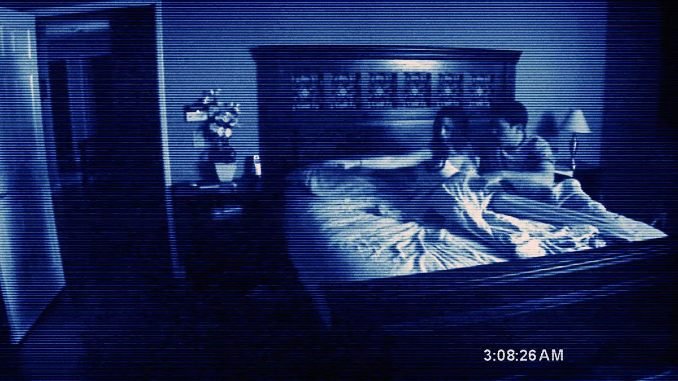
After this brief history of the genre, we get a run-through of the found footage horror movies we all know and love. This means you’ll get brief glimpses of things such as The McPherson Tape (1989), [REC] (2007), Paranormal Activity (2007), Troll Hunter (2010), and Host (2020). The creators of The Found Footage Phenomenon clearly have a huge range of knowledge when it comes to found footage movies, and yet so many films only got a passing mention that I can’t help but feel a little cheated. Things like Willow Creek (2013), Grave Encounters (2011), The Poughkeepsie Tapes (2007), and Lake Mungo (2008) only get a sentence or two of a mention, when I would have loved to dive into these movies, how they were made, and their impact on the genre a little more. Whereas other elements, such as the director of Apartment 143 (2011) really making sure we knew he didn’t copy Paranormal Activity 2 (2010) or the many clips of Hate Crime (2012) added little to the documentary as a whole.
There’s a great range of horror contributors involved in The Found Footage Phenomenon, including many of the people from the movies mentioned, as well as horror writers and scholars diving into the wider world of found footage. While directors and writers from specific movies give us interesting insights into their slice of the found footage world, Alexandra Heller-Nicholas is undeniably the star of the show. Her analytical approach towards found footage movies and the impact they’ve had on horror and cinema, in general, are insightful and incredible, so I’m super keen to check out her book, Found Footage Horror: Fear and the Appearance of Reality (2014).
HAVE YOU LISTENED TO OUR PODCAST YET?


Other contributors feel a little wasted, such as Aislinn Clarke, who features in a lot of sections but never gets the chance to be too in-depth about her own found footage movie, The Devil’s Doorway (2018). Fellow Scot and Death of a Vlogger (2019) director Graham Hughes also pops up for one sentence at the start of the documentary, but neither he nor his terrifying haunting film are mentioned again, which is more than a little disappointing.
There are so many interesting topics that are touched on during The Found Footage Phenomenon, but ultimately it’s the short runtime of 101 minutes that really lets it down. The documentary provides a fascinating look at how difficult it can be to get found footage right and how it doesn’t need to be low budget, as movies such as Cloverfield (2008) have shown, but there’s something about the genre that works a little better when it feels like a home movie gone wrong. Other points that were incredibly interesting but aren’t given enough room to breathe includes found footage and snuff film sections in more traditional Hollywood movies and how found footage is the most reflective horror sub-genre of its time as technology needs to match up in order to be believable and fully immerse the audience.
It feels like they're only skimming the surface on a lot of these topics, trying to touch on as many individual points as possible, but never spending enough time to properly dive into each discussion as deeply as I would have liked. Instead of feeling like a comprehensive study of found footage, The Found Footage Phenomenon feels like a good starting point, which will drive you towards further reading and study in your own time.
Overall, The Found Footage Phenomenon is a fun watch and it’s never boring, but I didn’t come away with as much new knowledge or movies to check out as I would have liked. It felt like it touched on a lot of movies that have already been discussed extensively in other forums and only teased the more interesting points before moving on to something else lest they run out of time. I think The Found Footage Phenomenon is perfect if you’re a found footage novice, but if you’re already quite into the genre, you may not get very much from it. Plus, I cannot forgive it for springing the eyeball scene from Hostel (2005) on me, when I’ve successfully avoided it since my first viewing 17 years ago.

RELATED ARTICLES
![[Film Review] Redux Redux (2025)](https://images.squarespace-cdn.com/content/v1/5fe76a518d20536a3fbd7246/1772709237214-NWJO8S5RA2RI5KHGBDRP/Redux+Redux+%28Blue+Finch+Film+Releasing%29+%2801%29.jpg)
![[Film Review] The Convenience Store (2026)](https://images.squarespace-cdn.com/content/v1/5fe76a518d20536a3fbd7246/1772706929814-S9SCNO48X7OAAUXDGW6Z/%5Bmain%5DDSC07956+%281%29.jpg)
![[Film Review] Red Riding (2026)](https://images.squarespace-cdn.com/content/v1/5fe76a518d20536a3fbd7246/1772815841313-70WFC6UZR8R3D8K1QQNB/Red_Riding_MASTER_310725_4KDCI_PRORES4444.00_07_53_05.Still012.png)
![[Film Review] Queens of the Dead (2025)](https://images.squarespace-cdn.com/content/v1/5fe76a518d20536a3fbd7246/1772708277363-T21QMHC11OQWUEWE9JRA/Queens+of+the+Dead+%281%29.jpg)
![[Film Review] Bury the Devil (2026)](https://images.squarespace-cdn.com/content/v1/5fe76a518d20536a3fbd7246/1772707319010-7HUFW2VLHJ5RKZ3EH8C4/Bury+the+Devil_1.png)
![[Film Review] Jailbroken (2026)](https://images.squarespace-cdn.com/content/v1/5fe76a518d20536a3fbd7246/1771753986825-4CM6ZCTLWAZYUGB1IBMP/Jailbroken+%C2%A9+2026+Jailbroken+Film%2C+Ltd.+All+Rights+Reserved.jpg)
![[Film Review] Iron Lung (2026)](https://images.squarespace-cdn.com/content/v1/5fe76a518d20536a3fbd7246/1772663006181-UCSTWEIJZBJRNR97BJR9/Screenshot+2026-03-04+at+22.10.26.png)














EXPLORE
![[Editorial] 9 Essential Hagspolitation Horror Films and Where to Stream Them](https://images.squarespace-cdn.com/content/v1/5fe76a518d20536a3fbd7246/1770475320934-ABFCNG7QZCG95DHZW2TH/Hagsploitation+list.jpeg)
![[Editorial] 7 Valentine's Day films for the horror lover in your life](https://images.squarespace-cdn.com/content/v1/5fe76a518d20536a3fbd7246/1771008023919-TKX6A1Y1GKGQ20ONPNYD/nekromantik.jpg)
![[Editorial] Seven Horror Hits That Haunted Our Hiatus](https://images.squarespace-cdn.com/content/v1/5fe76a518d20536a3fbd7246/1769674801188-7W482NENPO0GN4CDHV5N/7+HORROR+HITS+HIATUS.webp)
![[Editorial] Oscar Nominations 2026: Where to stream all the horror picks](https://images.squarespace-cdn.com/content/v1/5fe76a518d20536a3fbd7246/1769113319180-4INRRNMZK4DZLHRSUXX5/rev-1-GRC-TT-0026r_High_Res_JPEG-1024x372.jpeg)
![[Editorial] 10 Films & Events to Catch at Soho Horror Film Fest 2023](https://images.squarespace-cdn.com/content/v1/5fe76a518d20536a3fbd7246/1700819417135-299R7L4P0B676AD3RO1X/Screenshot+2023-11-24+at+09.41.52.png)
![[Editorial] 9 Horror Nintendo Switch Games To Play](https://images.squarespace-cdn.com/content/v1/5fe76a518d20536a3fbd7246/1697214470057-3XZXX8N4LYIMDFWS6Z3P/Screenshot+2023-10-13+at+17.20.13.png)
![[Mother of Fears] Mothering in Silence in A Quiet Place (2018)](https://images.squarespace-cdn.com/content/v1/5fe76a518d20536a3fbd7246/1696445921315-HZJ2DZYQIH6VVWXBO2YL/Screenshot+2023-10-04+at+19.52.29.png)
![[Editorial] 5 Female Focused Horror Book Recommendations](https://images.squarespace-cdn.com/content/v1/5fe76a518d20536a3fbd7246/1696441981361-52EQCTJ7AT2QF1927GM7/919xtm6d3fL._AC_UF894%2C1000_QL80_.jpg)

