
[Film Review] Undergods (2020)

Normally, when I review a new film, I tend to include (at or near the start) a brief summary of what the film’s story is about. That’s not so easy with writer-director Chino Moya’s Undergods: it doesn’t have one story, but three, all within a distinct-but-related wrapper. Each of these stories and the wrapper present a different perspective of Europe’s decline, but aren’t entirely as miserable as that might suggest.
I’ve got to say the format and genre aren’t straightforward either. Undergods is an anthology film, but not the sort with clear short story elements like Nightmare Cinema, nor the sort where a number of stories weave together like Short Cuts 1993 or Pulp Fiction 1994. They kind of sit inside each other (though not as tidily as those in Cloud Atlas 2012); in fact, I think the closest in format I can identify is A Christmas Horror Story 2015 in the way the stories contained do fit the overall wrapper. There is no arc here, mind you, or neat Ghost Stories-style resolution. The wrapper gives the film a beginning and an end, while the three stories each have beginnings and middles but very scant endings. As for the genre, science fiction might be the easiest label to apply because of the obvious dystopian outlook, but only just; there is humour, but not quite; there is mystery, but not enough tension or action to call it a thriller. I enjoyed it a great deal nonetheless.
Undergods opens with K (Johann Myers, the actor who impressed me most in The World We Knew 2020) and Z (Géza Röhrig) wandering in a large, grey truck between huge, grey dilapidated buildings. They’re scavenging for bodies, it seems, and it’s easy to wonder why… but not for long: after a few tantalising minutes, we get to meet some people living inside one of the tall buildings; or is it a different place altogether? Each segment has a different setting, and it’s intriguing to consider whether they are all the same locale at different stages of its collapse, different parts of the same city or country, or simply different “possible futures”. What we know is that they’re certainly separate and to me this reflects the blinkers people tend to wear when times are bad. We keep to ourselves, don’t bother our neighbours, carefully keep the status quo within our boundaries in case the muck from outside spills in.
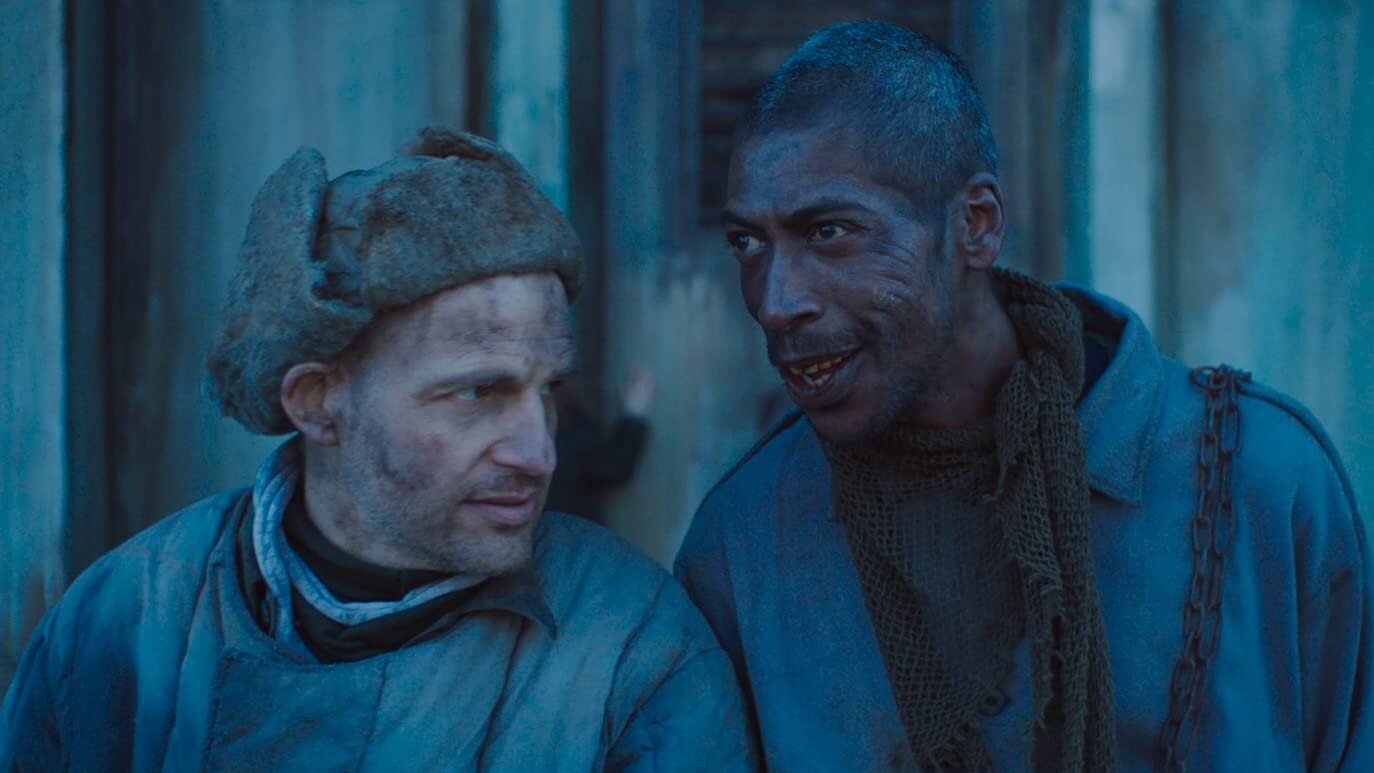
The first story centres on Ron (Michael Gould) and Ruth (Hayley Carmichael) who are quite miserably getting on with their middle-aged existence in the centre of a not-quite-finished tower block when neighbour Harry (Ned Dennehy, Brother Swan in Mandy) knocks and asks for refuge having locked himself out. He needles his way into their home, and squeezes into their relationship, their ineffective lives, with poor Ron feeling steadily more trapped until the whole situation erupts.
We then watch a story within a (bedtime) story, about a businessman’s corrupt ambition and the kidnapping of his daughter. Hans Hall (Eric Godon) is tempted by a proposal for collaboration from a visiting foreigner (Jan Bijvoet), but his underhand approach puts those around him at risk. The final segment is about another couple, Dominic (Adrian Rollins) and Rachel (Kate Dickie), and the – entirely understandable – strain put on their domestic life by the unexpected appearance of Rachel’s husband Sam (Sam Louwyck), assumed to have died over fifteen years earlier. Rachel isn’t as interested in Dominic’s chances for promotion as he would like, as she is completely focused on rehabilitating and caring for Sam.
Thus, Undergods looks at the impact of unexpected or unwelcome visitors; generally a pretty far-fetched impact or unlikely outcome. It demonstrates that the lives we may think are settled can be fragile, easily rocked off balance: is this concept a microcosm of what happened to Europe as a whole in Moya’s urban landscape? I’m not sure these stories had to be set in a near-future dystopia otherwise, but they are all close enough to being believable that they are certainly unsettling.

David Raedeker’s cinematography has been (rightly) praised for its atmospheric richness. In my opinion, there were two others in the team who contributed to the film’s production style just as much, if not more. Wojciech Golczewski’s electronic score kept me engaged even when the pace of the film lacked variance. Its retro energy may have seemed a little out of place to the film, but that’s OK: us viewers are (thankfully) observing from outside too. What impressed me most of all was the care and creativity which went into the sets, and so (unusually) I need to credit a set designer, Livija Mikic. Many of the interiors and exteriors alike were vast, Brazil-style, and managed to be both familiar and unusual at the same time. Other sets were cluttered, grimy, claustrophobic or crumbling; assembled with just the same sense of place, and somehow reinforcing the impression that little people in their little worlds are not conscious of the bigger picture.
Although at the start Undergods looked like yet another dystopian picture, it was presented in such an interesting style and with strangely engaging characters that it wasn’t “yet another” anything. There were some issues, mind you, primarily in the way none of the stories were entirely conclusive, or ended in an unsatisfactory way. They all cried out for explanations; I wonder if this might be the kind of film that spawns comic book spin-offs. I’d like to think there was some reason for the loose plotting, rather than Moya’s writing skill being underdeveloped. Either way, I’ll certainly be on the lookout for what he makes next.

Sed purus sem, scelerisque ac rhoncus eget, porttitor nec odio. Lorem ipsum dolor sit amet.

Vivamus pellentesque vitae neque at vestibulum. Donec efficitur mollis dui vel pharetra.

Praesent id libero id metus varius consectetur ac eget diam. Nulla felis nunc, consequat laoreet lacus id.

Donec id justo non metus auctor commodo ut quis enim. Mauris fringilla dolor vel condimentum imperdiet.

Commodo cursus magna, vel scelerisque nisl consectetur et. Donec id elit non mi porta gravida at eget metus.

Lorem ipsum dolor sit amet, consectetur adipiscing elit. Vestibulum id ligula porta felis euismod semper.


Sed purus sem, scelerisque ac rhoncus eget, porttitor nec odio. Lorem ipsum dolor sit amet.

Vivamus pellentesque vitae neque at vestibulum. Donec efficitur mollis dui vel pharetra.

Praesent id libero id metus varius consectetur ac eget diam. Nulla felis nunc, consequat laoreet lacus id.

Donec id justo non metus auctor commodo ut quis enim. Mauris fringilla dolor vel condimentum imperdiet.

Commodo cursus magna, vel scelerisque nisl consectetur et. Donec id elit non mi porta gravida at eget metus.
Lorem ipsum dolor sit amet, consectetur adipiscing elit. Vestibulum id ligula porta felis euismod semper.
Sed purus sem, scelerisque ac rhoncus eget, porttitor nec odio. Lorem ipsum dolor sit amet.
Vivamus pellentesque vitae neque at vestibulum. Donec efficitur mollis dui vel pharetra.
Praesent id libero id metus varius consectetur ac eget diam. Nulla felis nunc, consequat laoreet lacus id.
Donec id justo non metus auctor commodo ut quis enim. Mauris fringilla dolor vel condimentum imperdiet.
Commodo cursus magna, vel scelerisque nisl consectetur et. Donec id elit non mi porta gravida at eget metus.
Lorem ipsum dolor sit amet, consectetur adipiscing elit. Vestibulum id ligula porta felis euismod semper.
Sed purus sem, scelerisque ac rhoncus eget, porttitor nec odio. Lorem ipsum dolor sit amet.
Vivamus pellentesque vitae neque at vestibulum. Donec efficitur mollis dui vel pharetra.
Praesent id libero id metus varius consectetur ac eget diam. Nulla felis nunc, consequat laoreet lacus id.
Donec id justo non metus auctor commodo ut quis enim. Mauris fringilla dolor vel condimentum imperdiet.
Commodo cursus magna, vel scelerisque nisl consectetur et. Donec id elit non mi porta gravida at eget metus.
Lorem ipsum dolor sit amet, consectetur adipiscing elit. Vestibulum id ligula porta felis euismod semper.
Sed purus sem, scelerisque ac rhoncus eget, porttitor nec odio. Lorem ipsum dolor sit amet.

RELATED ARTICLES
![[Film Review] Redux Redux (2025)](https://images.squarespace-cdn.com/content/v1/5fe76a518d20536a3fbd7246/1772709237214-NWJO8S5RA2RI5KHGBDRP/Redux+Redux+%28Blue+Finch+Film+Releasing%29+%2801%29.jpg)
Redux Redux comes to streaming off the back of a fair amount of hype after playing several festivals, including South by Southwest, where it had its premiere as part of their Midnighter strand last year. Festival hype is, of course, always to be taken with a grain of salt, but in the case of Redux Redux, it feels very warranted.
![[Film Review] The Convenience Store (2026)](https://images.squarespace-cdn.com/content/v1/5fe76a518d20536a3fbd7246/1772706929814-S9SCNO48X7OAAUXDGW6Z/%5Bmain%5DDSC07956+%281%29.jpg)
Anyone who’s ever spent any time in Japan will likely be familiar with the allure of the convenience store. The humble konbini is so much more than just a place to buy cheap coffee and cigarettes – it’s a beacon aglow on even the darkest of nights, where a fluffy egg sando or crisp sliver of Famichiki awaits, the convenience store serves as a reminder that you are never too far from creature comforts, and the company of another human being.
![[Film Review] Red Riding (2026)](https://images.squarespace-cdn.com/content/v1/5fe76a518d20536a3fbd7246/1772815841313-70WFC6UZR8R3D8K1QQNB/Red_Riding_MASTER_310725_4KDCI_PRORES4444.00_07_53_05.Still012.png)
Fairy tales and horror almost go hand in hand; from a young age, we read cautionary tales, warning us about whom we should trust and, in Little Red Riding Hood’s case, to ‘beware of the Big Bad Wolf’. So it doesn’t come as a surprise that we see horror filmmakers take these stories and adapt them to the big screen with their own spin on the classic tales.
![[Film Review] Queens of the Dead (2025)](https://images.squarespace-cdn.com/content/v1/5fe76a518d20536a3fbd7246/1772708277363-T21QMHC11OQWUEWE9JRA/Queens+of+the+Dead+%281%29.jpg)
“This is not a George Romero movie. There is no such thing as a zombie, okay?” No girl, this is a Tina Romero movie! Funny, fabulous and unapologetically queer, Queens of the Dead is the debut feature from Tina Romero.
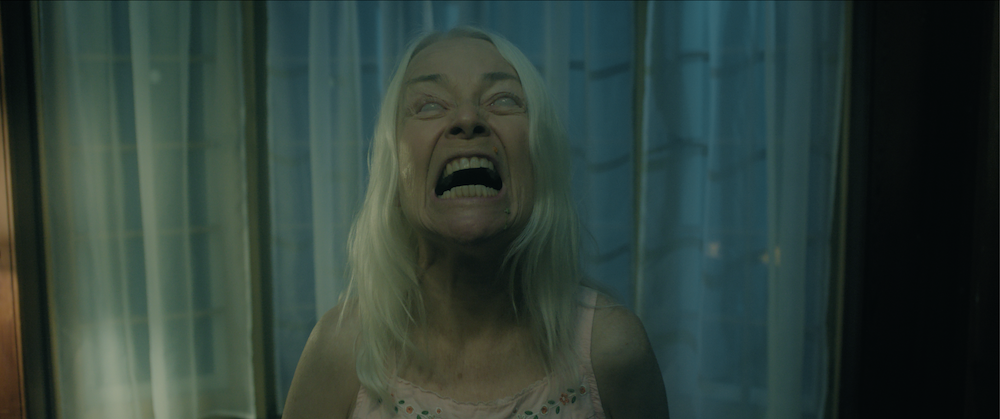
Kicking off the final day, we have Violence, a blood-soaked thriller set in an alternate 1980’s that will shake away any remnant of hangover from the night before and wake up the audience.
![[Film Review] Bury the Devil (2026)](https://images.squarespace-cdn.com/content/v1/5fe76a518d20536a3fbd7246/1772707319010-7HUFW2VLHJ5RKZ3EH8C4/Bury+the+Devil_1.png)
While many horror films may feature a similar set-up, few pack the emotional punch of Adam O’Brien’s new film Bury the Devil, which premiered March 6 at FrightFest Glasgow.
![[Film Review] Jailbroken (2026)](https://images.squarespace-cdn.com/content/v1/5fe76a518d20536a3fbd7246/1771753986825-4CM6ZCTLWAZYUGB1IBMP/Jailbroken+%C2%A9+2026+Jailbroken+Film%2C+Ltd.+All+Rights+Reserved.jpg)
Like the analogy of a frog in a boiling pot of water, the tension steadily builds upon itself throughout the film, until the climatic ending, when the viewer can hardly believe that just eighty minutes ago Joe was flying high on his upcoming freedom.
![[Film Review] Iron Lung (2026)](https://images.squarespace-cdn.com/content/v1/5fe76a518d20536a3fbd7246/1772663006181-UCSTWEIJZBJRNR97BJR9/Screenshot+2026-03-04+at+22.10.26.png)
Mark "Markiplier" Fischbach has been a staple of the YouTube horror gaming scene since his debut in 2012. Now he's traded his computer screen for the big screen with his adaptation of David Szymanski's 2022 indie game Iron Lung.

You've now found the staple t-shirt of your wardrobe. It's made of a thicker, heavier cotton, but it's still soft and comfy. And the double stitching on the neckline and sleeves add more durability to what is sure to be a favourite!
• 100% ring-spun cotton
• Sport Grey is 90% ring-spun cotton, 10% polyester
• Dark Heather is 65% polyester, 35% cotton
• 4.5 oz/y² (153 g/m²)
• Pre-shrunk
• Shoulder-to-shoulder taping
• Quarter-turned to avoid crease down the centre
PLEASE NOTE: AT THIS STAGE, ALL OUR PRODUCTS ARE MADE TO ORDER BY OUR SUPPLIERS AS PER YOUR REQUIREMENTS. THEREFORE, WE CANNOT ACCEPT RETURNS UNLESS FAULTY OR INCORRECT. PLEASE SEE OUR FULL POLICY HERE
DELIVERY
UK & EUROPE: 5 - 10 DAYS
USA: 10 - 20 DAYS

You've now found the staple t-shirt of your wardrobe. It's made of a thicker, heavier cotton, but it's still soft and comfy. And the double stitching on the neckline and sleeves add more durability to what is sure to be a favourite!
• 100% ring-spun cotton
• Sport Grey is 90% ring-spun cotton, 10% polyester
• Dark Heather is 65% polyester, 35% cotton
• 4.5 oz/y² (153 g/m²)
• Pre-shrunk
• Shoulder-to-shoulder taping
• Quarter-turned to avoid crease down the centre
PLEASE NOTE: AT THIS STAGE, ALL OUR PRODUCTS ARE MADE TO ORDER BY OUR SUPPLIERS AS PER YOUR REQUIREMENTS. THEREFORE, WE CANNOT ACCEPT RETURNS UNLESS FAULTY OR INCORRECT. PLEASE SEE OUR FULL POLICY HERE
DELIVERY
UK & EUROPE: 5 - 10 DAYS
USA: 10 - 20 DAYS
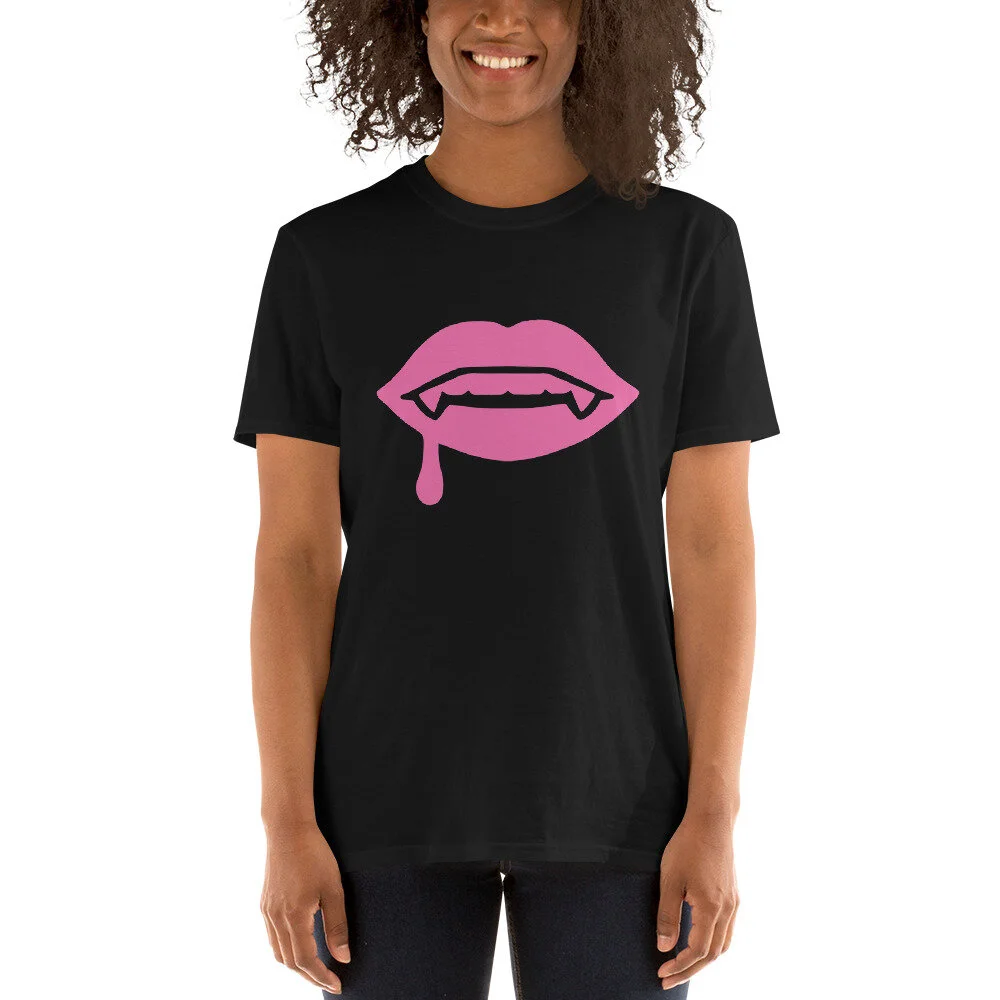
YWe’re always thirsty for more horror, which is why you show off your love for the gory genre with a Ghouls Magazine VMPR T-Shirt! Made from soft & cosy cotton that feels so nice on the skin that even Ed Gein wants one. Grab yourself some Ghouls Magazine merch to always look fresher than a corpse.
100% cotton
Sport grey is made from 90% cotton & 10% polyester
Dark Heather is made from 65% polyester & 35% cotton
Pre-shrunk
PLEASE NOTE: ALL OUR PRODUCTS ARE MADE TO ORDER. WE CANNOT ACCEPT RETURNS UNLESS FAULTY OR INCORRECT. PLEASE SEE OUR FULL POLICY HERE
DELIVERY
UK & EUROPE: 5 - 10 DAYS
USA: 10 - 20 DAYS

• 52% combed ring-spun cotton, 48% polyester
• Slim fit
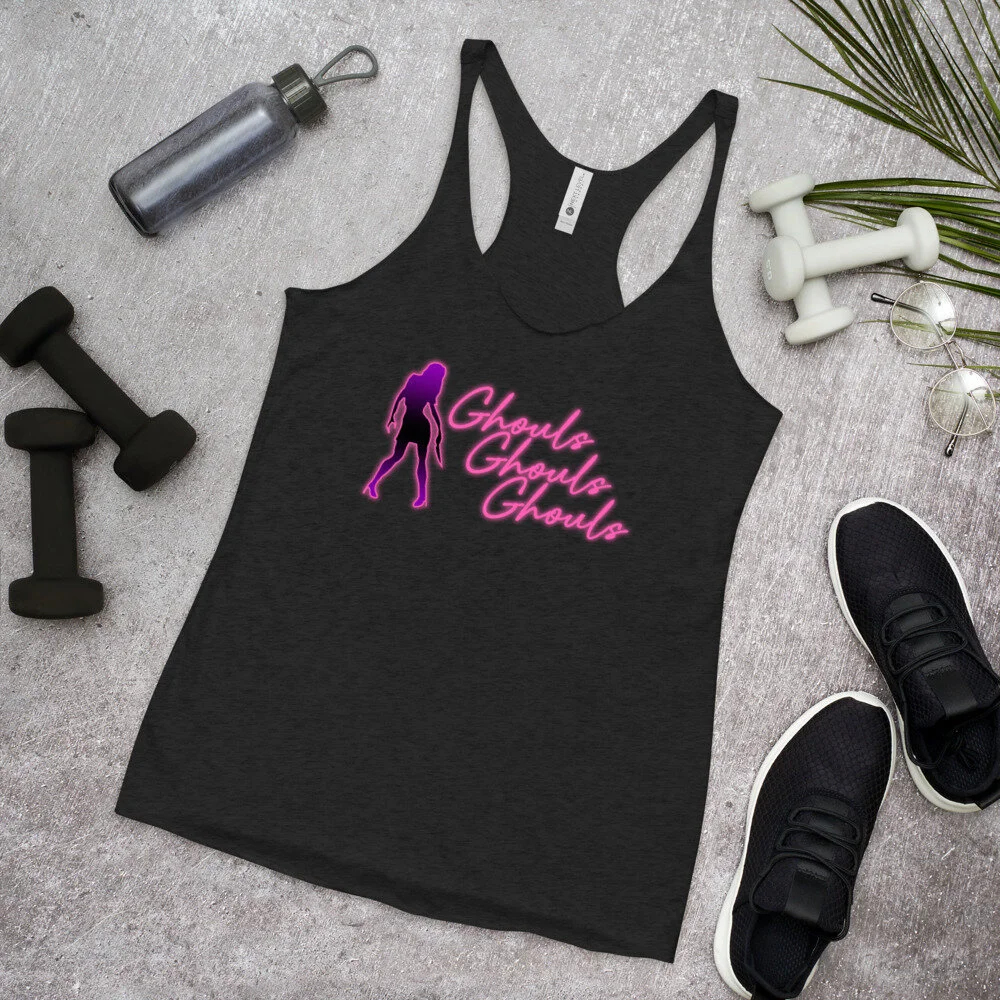
This racerback tank is soft, lightweight, and form-fitting with a flattering cut and raw edge seams for an edgy touch.
• 50% polyester, 25% combed ring-spun cotton, 25% rayon
• Fabric weight: 4.2 oz/yd² (142 g/m²)
• 32 singles
• Fabric is laundered to reduce shrinkage
• Raw edge seams
PLEASE NOTE: AT THIS STAGE, ALL OUR PRODUCTS ARE MADE TO ORDER BY OUR SUPPLIERS AS PER YOUR REQUIREMENTS. THEREFORE, WE CANNOT ACCEPT RETURNS UNLESS FAULTY OR INCORRECT. PLEASE SEE OUR FULL POLICY HERE
DELIVERY
UK & EUROPE: 5 - 10 DAYS
USA: 10 - 20 DAYS
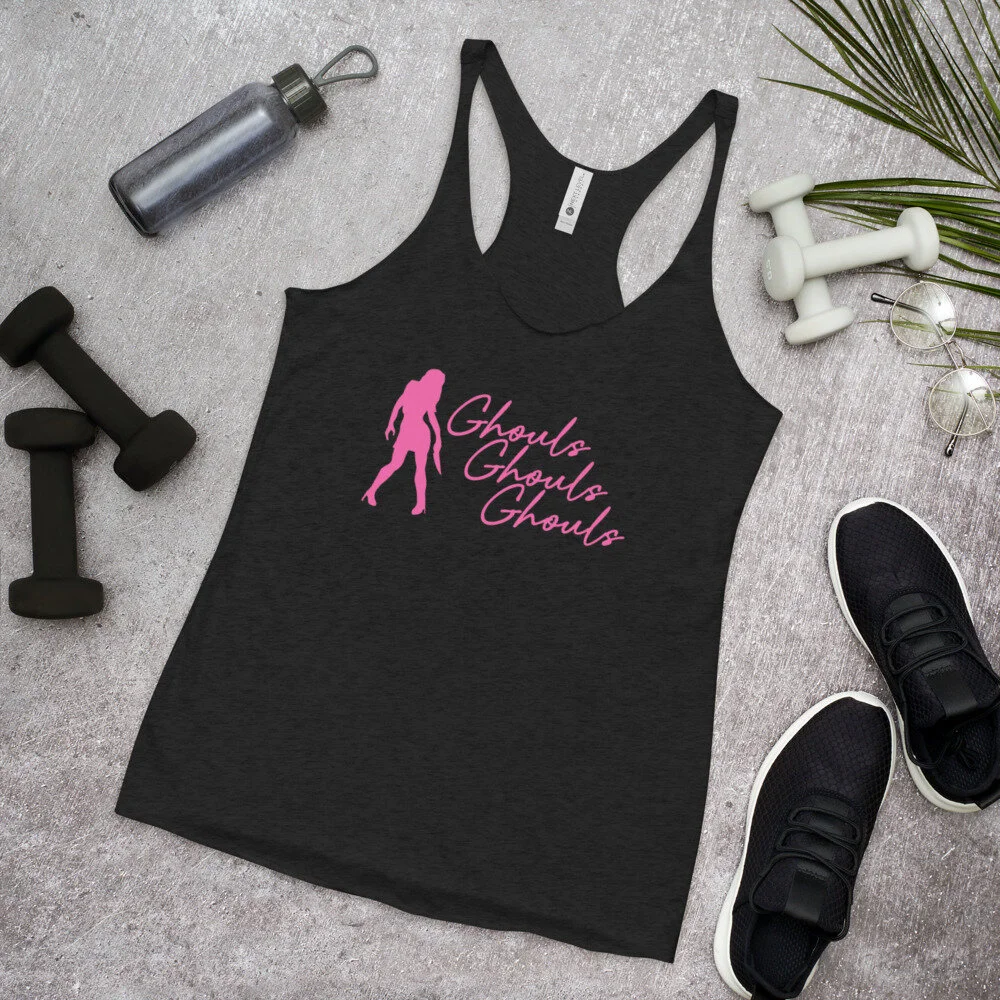
This racerback tank is soft, lightweight, and form-fitting with a flattering cut and raw edge seams for an edgy touch.
• 50% polyester, 25% combed ring-spun cotton, 25% rayon
• Fabric weight: 4.2 oz/yd² (142 g/m²)
• 32 singles
• Fabric is laundered to reduce shrinkage
• Raw edge seams
PLEASE NOTE: AT THIS STAGE, ALL OUR PRODUCTS ARE MADE TO ORDER BY OUR SUPPLIERS AS PER YOUR REQUIREMENTS. THEREFORE, WE CANNOT ACCEPT RETURNS UNLESS FAULTY OR INCORRECT. PLEASE SEE OUR FULL POLICY HERE
DELIVERY
UK & EUROPE: 5 - 10 DAYS
USA: 10 - 20 DAYS

This racerback tank is soft, lightweight, and form-fitting with a flattering cut and raw edge seams for an edgy touch.
• 50% polyester, 25% combed ring-spun cotton, 25% rayon
• Fabric weight: 4.2 oz/yd² (142 g/m²)
• 32 singles
• Fabric is laundered to reduce shrinkage
• Raw edge seams
PLEASE NOTE: AT THIS STAGE, ALL OUR PRODUCTS ARE MADE TO ORDER BY OUR SUPPLIERS AS PER YOUR REQUIREMENTS. THEREFORE, WE CANNOT ACCEPT RETURNS UNLESS FAULTY OR INCORRECT. PLEASE SEE OUR FULL POLICY HERE
DELIVERY
UK & EUROPE: 5 - 10 DAYS
USA: 10 - 20 DAYS

This racerback tank is soft, lightweight, and form-fitting with a flattering cut and raw edge seams for an edgy touch.
• 50% polyester, 25% combed ring-spun cotton, 25% rayon
• Fabric weight: 4.2 oz/yd² (142 g/m²)
• 32 singles
• Fabric is laundered to reduce shrinkage
• Raw edge seams
PLEASE NOTE: AT THIS STAGE, ALL OUR PRODUCTS ARE MADE TO ORDER BY OUR SUPPLIERS AS PER YOUR REQUIREMENTS. THEREFORE, WE CANNOT ACCEPT RETURNS UNLESS FAULTY OR INCORRECT. PLEASE SEE OUR FULL POLICY HERE
DELIVERY
UK & EUROPE: 5 - 10 DAYS
USA: 10 - 20 DAYS

Need a new horror hoodie? Then say hello to the Ghouls Magazine VMPR Hoodie! Made from a blend of cotton and polyester to keep the hoodie feeling comfy and warm when watching your favourite horror films. Black pull-over hoodie featuring a vampire lips logo design.
Made from 50% pre-shrunk cotton & 50% polyester
Air-jet spun yarn with a soft feel and reduced pilling
Double-lined hood with drawstring
Ribbed cuffs and waistband
Front pouch pocket
PLEASE NOTE: ALL OUR PRODUCTS ARE MADE TO ORDER . WE CANNOT ACCEPT RETURNS UNLESS FAULTY OR INCORRECT. PLEASE SEE OUR FULL POLICY HERE
DELIVERY
UK & EUROPE: 5 - 10 DAYS
USA: 10 - 15 DAYS
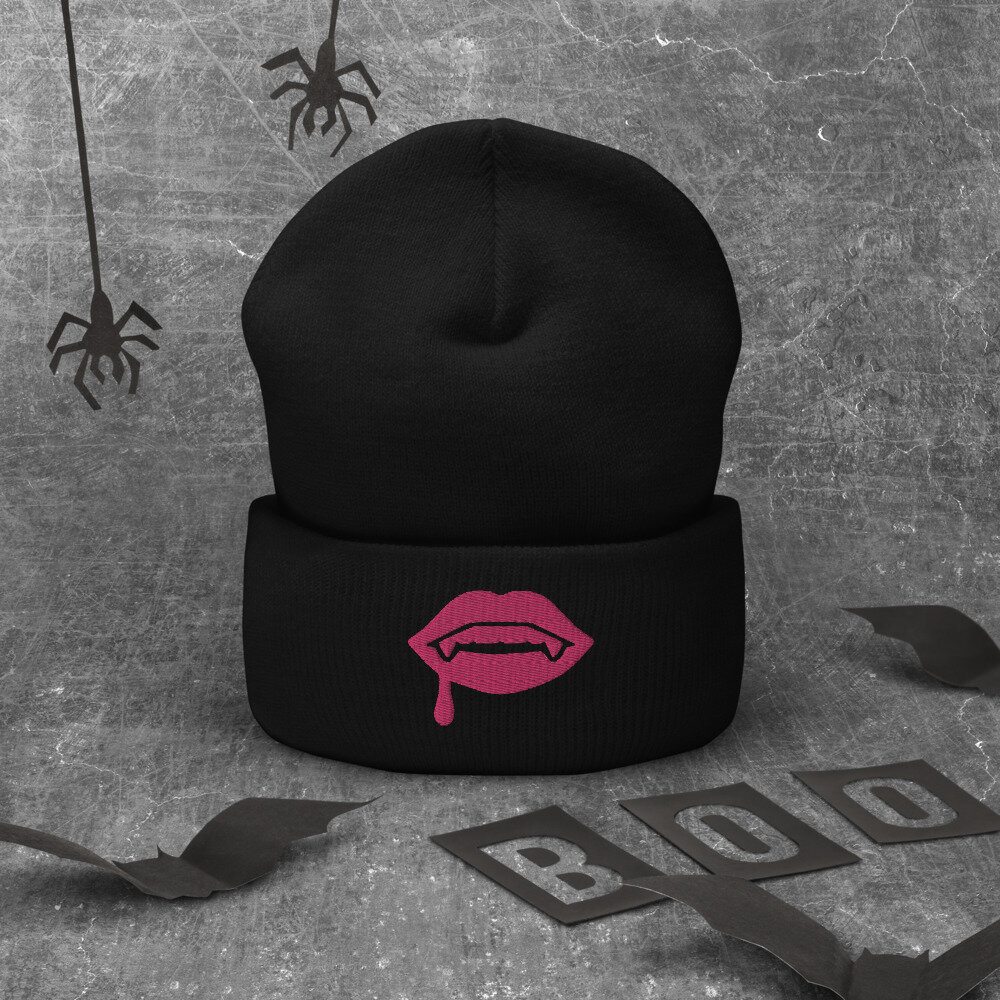
Wear your love for horror on your head with the Ghouls Magazine VMPR Beanie Hat. Made from turbo acrylic for a stretchy fit to feel snug and comfy even on the coldest and spookiest of nights. Black hat features vampire blood-drip lips for some horror merch that everyone will want a slice of.
Made from 100% turbo acrylic
12” in length
Hypoallergenic material
Suitable as a unisex hat
PLEASE NOTE: ALL OUR PRODUCTS ARE MADE TO ORDER . WE CANNOT ACCEPT RETURNS UNLESS FAULTY OR INCORRECT. PLEASE SEE OUR FULL POLICY HERE
DELIVERY
UK & EUROPE: 5 - 10 DAYS
USA: 10 - 15 DAYS

Need something to carry your dismembered bodies in? Then fear not as we have the perfect solution with the Ghouls Magazine VMPR Tote Bag. Made from polyester, with a black base and featuring an all over pink vampire blood-drip mouth to help you show off those fangs. Grab yourself some Ghouls Magazine merch to help support us.
Made from 100% spun polyester fabric
Bag size: 15” x 15” (38cm x 38cm)
Double handles made from 100% natural cotton
Handle length: 11.8” (30cm)
PLEASE NOTE: ALL OUR PRODUCTS ARE MADE TO ORDER . WE CANNOT ACCEPT RETURNS UNLESS FAULTY OR INCORRECT. PLEASE SEE OUR FULL POLICY HERE.
DELIVERY
UK & EUROPE: 5 - 10 DAYS
USA: 10 - 15 DAYS
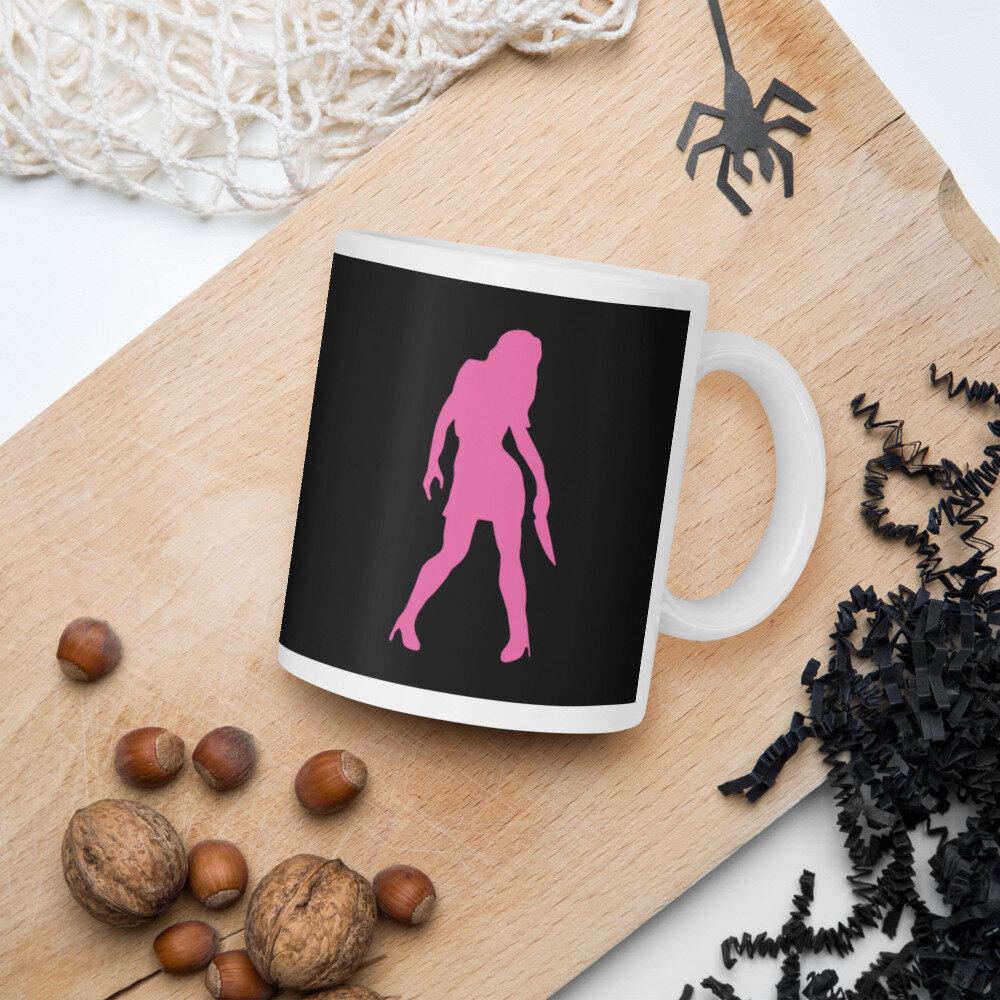
Whether you’re drinking your morning coffee kick, or perhaps indulging in something a bit stronger, do it with Ghouls! Sip, slice and swig through your day with a GHLS Mug featuring the Ghouls Magazine final girl logo.
Made from ceramic
Choose from 11oz or 15oz mug
Dishwasher and microwave safe
PLEASE NOTE: ALL OUR PRODUCTS ARE MADE TO ORDER . WE CANNOT ACCEPT RETURNS UNLESS FAULTY OR INCORRECT. PLEASE SEE OUR FULL POLICY HERE.
DELIVERY
UK & EUROPE: 5 - 10 DAYS
USA: 10 - 15 DAYS
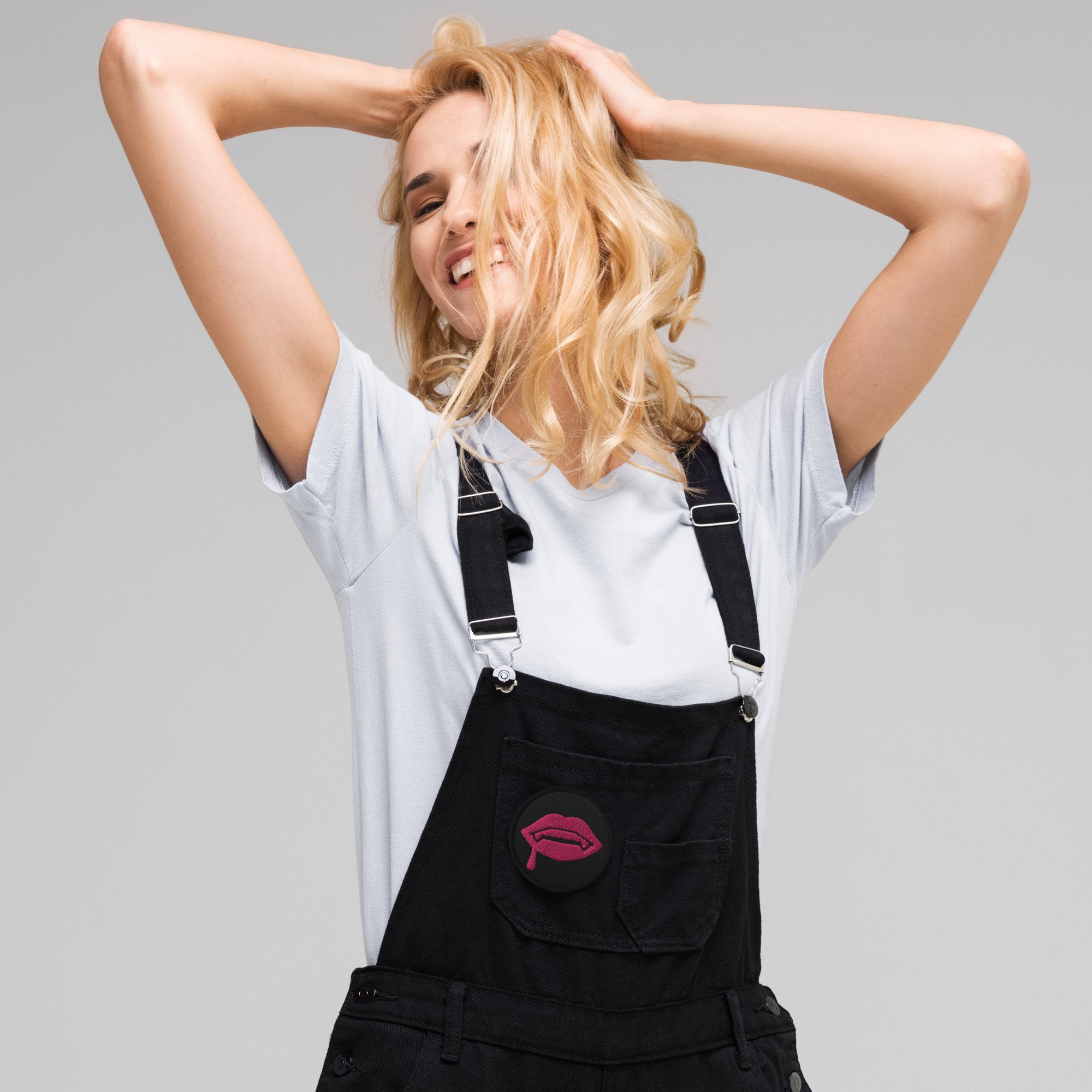
Feeling like showing off your love for Ghouls Magazine? Then why not grab yourself one of our Ghouls Magazine VMPR Patches to attach to your denim jacket, dungarees, bag or anywhere you like really. Help to support our online horror magazine with some Ghouls Magazine merchandise.
Made from 26% cotton and 74% polyester
3” (7.6cm) size
You can attach by ironing, sewing or using a safety pin

EXPLORE
![[Editorial] 9 Essential Hagspolitation Horror Films and Where to Stream Them](https://images.squarespace-cdn.com/content/v1/5fe76a518d20536a3fbd7246/1770475320934-ABFCNG7QZCG95DHZW2TH/Hagsploitation+list.jpeg)
Hag horror originated in the early 1960’s and enjoyed its heyday during this time. Golden Era Hollywood actresses such as Joan Crawford and Bette Davis suddenly found themselves struggling to win roles over the younger, rising starlets of the time. So, in an ironic moment of art imitating life imitating art, these women turned to psychological horror films centered on unstable and dangerous older women. And a new character archetype was born.
![[Editorial] 7 Valentine's Day films for the horror lover in your life](https://images.squarespace-cdn.com/content/v1/5fe76a518d20536a3fbd7246/1771008023919-TKX6A1Y1GKGQ20ONPNYD/nekromantik.jpg)
Here at Ghouls, we’re not averse to getting a little soppy with it, so we’ve rounded up seven of the most romantic horror films to spice up your Valentine’s Day, and where to stream them.
![[Editorial] Seven Horror Hits That Haunted Our Hiatus](https://images.squarespace-cdn.com/content/v1/5fe76a518d20536a3fbd7246/1769674801188-7W482NENPO0GN4CDHV5N/7+HORROR+HITS+HIATUS.webp)
We devoured films of blood, obsession, and brutality, letting the screams of terror soundtrack our time in the shadows. Below, are our favourite films that haunted, thrilled, and consumed us while the magazine was on hiatus:
![[Editorial] Oscar Nominations 2026: Where to stream all the horror picks](https://images.squarespace-cdn.com/content/v1/5fe76a518d20536a3fbd7246/1769113319180-4INRRNMZK4DZLHRSUXX5/rev-1-GRC-TT-0026r_High_Res_JPEG-1024x372.jpeg)
Ahead of the Academy Awards ceremony, Ghouls has rounded up where you can stream all of the 2025 horror releases in the UK and the US from the comfort of your own home.
![[Editorial] 10 Films & Events to Catch at Soho Horror Film Fest 2023](https://images.squarespace-cdn.com/content/v1/5fe76a518d20536a3fbd7246/1700819417135-299R7L4P0B676AD3RO1X/Screenshot+2023-11-24+at+09.41.52.png)
Now it’s time for Soho’s main 2023 event, which is presented over two weekends: a live film festival at the Whirled Cinema in Brixton, London, and an online festival a week later. Both have very rich and varied programmes (with no overlap this year), with something for every horror fan.
![[Editorial] 9 Horror Nintendo Switch Games To Play](https://images.squarespace-cdn.com/content/v1/5fe76a518d20536a3fbd7246/1697214470057-3XZXX8N4LYIMDFWS6Z3P/Screenshot+2023-10-13+at+17.20.13.png)
In the six years since its release the Nintendo Switch has amassed an extensive catalogue of games, with everything from puzzle platformer games to cute farming sims to, uh, whatever Waifu Uncovered is.
![[Mother of Fears] Mothering in Silence in A Quiet Place (2018)](https://images.squarespace-cdn.com/content/v1/5fe76a518d20536a3fbd7246/1696445921315-HZJ2DZYQIH6VVWXBO2YL/Screenshot+2023-10-04+at+19.52.29.png)
A Quiet Place (2018) opens 89 days after a race of extremely sound-sensitive creatures show up on Earth, perhaps from an exterritorial source. If you make any noise, even the slightest sound, you’re likely to be pounced upon by these extremely strong and staggeringly fast creatures and suffer a brutal death.
![[Editorial] 5 Female Focused Horror Book Recommendations](https://images.squarespace-cdn.com/content/v1/5fe76a518d20536a3fbd7246/1696441981361-52EQCTJ7AT2QF1927GM7/919xtm6d3fL._AC_UF894%2C1000_QL80_.jpg)
If you like cults, sacrificial parties, and lesbian undertones then Mona Awad’s Bunny is the book for you. Samantha, a student at a prestigious art university, feels isolated from her cliquey classmates, ‘the bunnies’.

MORE ARTICLES
![[Editorial] In Her Eyes: Tasya Vos in Possessor (2020)](https://images.squarespace-cdn.com/content/v1/5fe76a518d20536a3fbd7246/1667061747115-NTIJ7V5H2ULIEIF32GD0/Image+1+%285%29.jpg)
Possessor is a slick futuristic thriller in which Tasya Vos, an assassin for hire, must manage her responsibilities as an elite killing machine and complex feelings towards her husband and son, whilst taking on another high-profile job that will push her to the edge of her sanity.
![[Editorial] In Her Eyes: Sara Lowes in Witchfinder General (1968)](https://images.squarespace-cdn.com/content/v1/5fe76a518d20536a3fbd7246/1655655953171-8K41IZ1LXSR2YMKD7DW6/hilary-heath.jpeg)
![[Editorial] The Babadook (2014)](https://images.squarespace-cdn.com/content/v1/5fe76a518d20536a3fbd7246/1651937631847-KR77SQHST1EJO2729G7A/Image+1.jpg)
![[Editorial] In Her Eyes: Helen Lyle in Candyman (1992)](https://images.squarespace-cdn.com/content/v1/5fe76a518d20536a3fbd7246/1649586854587-DSTKM28SSHB821NEY7AT/image1.jpg)
Helen Lyle is a triple threat. She is smart, charismatic and tenacious. An innovative researcher who wants to push the envelope. ..
![[Editorial] Lorraine Warren’s Clairvoyant Gift](https://images.squarespace-cdn.com/content/v1/5fe76a518d20536a3fbd7246/1648576580495-0O40265VK7RN03R515UO/Image+1+%281%29.jpg)
When James Wan’s The Conjuring (2013) was first released, it set the tone for 2010s horror and was regarded by some horror fans as the beginning of a renaissance for the genre…
![[Editorial] Sara in Creep 2 (2017)](https://images.squarespace-cdn.com/content/v1/5fe76a518d20536a3fbd7246/1646478850646-1LMY555QYGCM1GEXPZYM/27ebc013-d50a-4b5c-ad9c-8f8a9d07dc93.jpg)
Sara is host of a failing web series entitled Encounters which shows her meeting a range of offbeat people through personal ads…
![[Editorial] Sally Hardesty in The Texas Chainsaw Massacre (1974)](https://images.squarespace-cdn.com/content/v1/5fe76a518d20536a3fbd7246/1637247162929-519YCRBQL6LWXXAS8293/the-texas-chainsaw-final-girl-1626988801.jpeg)
It’s not wholly obvious in the first thirty minutes of Tobe Hooper’s The Texas Chainsaw Massacre just who our final girl will be…
![[Editorial] Margaret Robinson: Hammer’s Puppeteer](https://images.squarespace-cdn.com/content/v1/5fe76a518d20536a3fbd7246/1630075489815-33JJN9LSGGKSQ68IGJ9H/MV5BMjAxMDcwNDI2Nl5BMl5BanBnXkFtZTcwOTMxODgzMQ%40%40._V1_.jpg)
Filmdom’s conventional wisdom in the mid-20th Century decreed that horror was no place for a lady. That is, unless it was as a shrieking victim dressed in a bosom-baring, diaphanous nightie…
![[Editorial] Re-assessing The Exorcist: Religion, Abuse, and The Rise of the Feminist Mother.](https://images.squarespace-cdn.com/content/v1/5fe76a518d20536a3fbd7246/1629995626135-T5K61DZVA1WN50K8ULID/image2.jpg)
When reassessing The Exorcist, there are implications of abuse brought on by Chris MacNeil’s reluctance to be a proper ‘mother’ to Regan…
![[Editorial] Unravelling Mitzi Peirone’s Braid (2018)](https://images.squarespace-cdn.com/content/v1/5fe76a518d20536a3fbd7246/1628359114427-5V6LFNRNV6SD81PUDQJZ/4.jpg)

Quisque iaculis facilisis lacinia. Mauris euismod pellentesque tellus sit amet mollis.